Whisky's Next Wave: Beyond Single Malts & Bourbons
Explore the exciting new categories and emerging styles redefining the global whisky landscape.
The Great Expansion: Moving Beyond the 'Big Two'
For the longest time, the world of whisky felt like a gated community with only two primary addresses: Scotland and Kentucky. If you were a serious enthusiast, your cabinet was likely a binary choice between the peaty, heather-laden hills of the Highlands and the sweet, corn-heavy barrels of the Bluegrass State. This duopoly wasn't an accident. Decades of strict production regulations, massive marketing budgets, and deep-seated heritage created a static market. We were taught that "real" whisky had to follow a very specific set of rules established by the Old Guard. It was a beautiful tradition, certainly, but it left very little room for the "what if."
However, if you’ve spent any time on the DramNote app lately, you’ve probably noticed the map is expanding—rapidly. We are currently witnessing a seismic shift in the global landscape, driven by a new generation of drinkers. Gen Z and Millennial enthusiasts are increasingly turning away from "brand heritage" as their primary buying metric. Instead, they are prioritizing a "flavor first" philosophy. They don't necessarily care if a distillery has been operating since 1824; they care if the liquid in the glass challenges their palate. This shift has led to a staggering 15% increase in interest for what we call New World Whisky, a category that encompasses everything from the mountains of Taiwan to the deserts of Texas.
This revolution didn’t happen overnight. It was sparked by the craft distilling boom of the early 2010s. What started as a few experimental hobbyists has grown into a global movement of innovative distilling. These distillers acted as catalysts, proving that you didn't need a Scottish glen to make world-class spirit. By experimenting with non-traditional grains like millet and oat, and leveraging local climates that the industry once thought were "too harsh" for aging, they cracked the door open for a new era. Today, the "World Whisky" category is no longer the dusty alternative on the bottom shelf; it is a primary choice for enthusiasts seeking complexity and novelty. We are entering the age of the "Global Style"—a beautiful, messy, and delicious architecture where traditions from multiple regions are blended to create something entirely unique. The duopoly is over, and the Great Expansion has begun.
American Single Malt: A New Legal Frontier
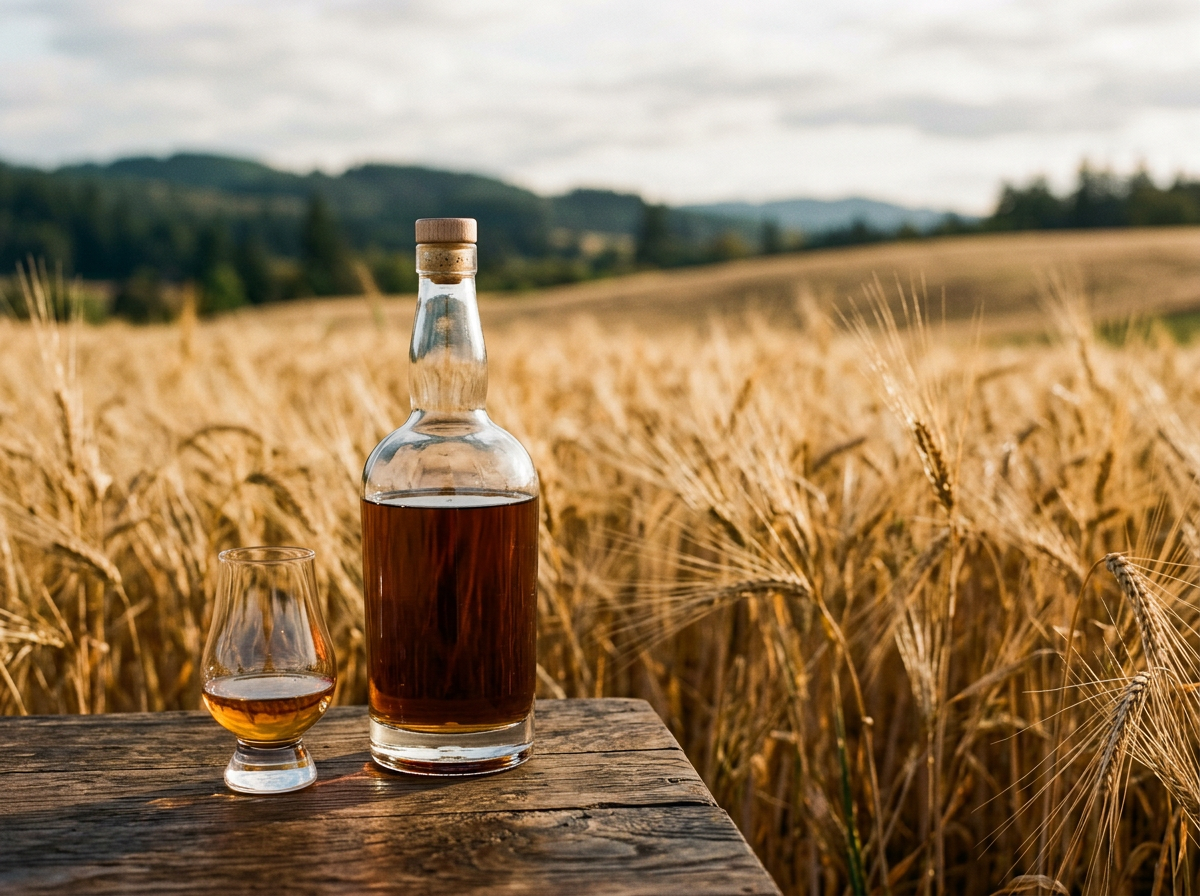
One of the most exciting developments in the Craft Spirits Future is happening right here in the United States. For years, the term "American Single Malt" was a bit of a Wild West. While distillers were making incredible spirits from 100% malted barley, they didn't have a formal, legal category to call home on the label. That changed recently when the TTB (Tax and Trade Bureau) moved to officially recognize American Single Malt as a protected category. This wasn't just bureaucracy at work; it was the result of years of tireless lobbying by the American Single Malt Whiskey Commission (ASMWC) to ensure that when you see those three words on a bottle, they actually mean something.
To qualify, the rules are clear: the whiskey must be made from 100% malted barley, it must be mashed, distilled, and matured in a single US distillery, and it must be aged in oak casks. Interestingly, unlike Bourbon, these don’t have to be *new* oak casks. This lack of "used cask" restriction is a game-changer. It allows American distillers to experiment with a spectrum of wood that their Bourbon-making cousins simply can't touch, utilizing everything from Sherry butts to ex-wine barrels from the start of the maturation process.
"American Single Malt is not trying to be Scotch; it’s trying to be a reflection of the American landscape, using the freedom of our regulations to innovate in ways the Old World can't."
The flavor profiles emerging from this category are as diverse as the American geography itself. In the Pacific Northwest, Westland Distillery is leading the charge by looking inward. They utilize local peat sourced from Washington bogs and age their spirit in Quercus garryana, a native white oak that provides a spicy, molasses-heavy profile entirely distinct from the medicinal peat of Islay. Meanwhile, down south, Texas-based distilleries like Balcones are using the state's legendary heat to their advantage. In the "Heat and Power" style, extreme temperature swings accelerate the extraction of wood sugars, creating "big," bold whiskies that achieve incredible depth in just 2 to 3 years. When you compare an American Single Malt to a Scotch, you aren't just comparing two drinks; you're comparing two different philosophies of time and wood.
The Rise of Tropical Maturation: India and Taiwan
If Scotland is the king of slow, steady maturation, then the tropical regions of Asia are the speed-runners of the whisky world. In the cool, damp climate of the Scottish Highlands, the "Angel’s Share"—the amount of spirit lost to evaporation—is a gentle 2% per year. In places like India and Taiwan, that figure can skyrocket to 10-12%. While that sounds like a heartbreaking loss of inventory, it actually creates a phenomenon known as Tropical Maturation. The high heat and humidity act like a pressure cooker, forcing the spirit in and out of the wood at an accelerated rate, leading to a rapid concentration of flavor that is nearly impossible to replicate in colder climates.
Take Kavalan in Taiwan as an example. They rose to international stardom by mastering the "STR" (Shaved, Toasted, Re-charred) cask technique. Developed by the late, legendary Dr. Jim Swan, this process involves taking old wine casks, shaving off the interior to expose fresh wood, and then precisely toasting and charring them. This technique, combined with Taiwan’s intense heat, allows Kavalan to produce whiskies that taste 15 to 20 years old after only 4 or 5. It revolutionized how we perceive "young" whisky, proving that complexity isn't always a function of the calendar.
In India, distilleries like Amrut and Paul John are taking a different but equally innovative path. They utilize indigenous 6-row barley, which has a higher protein and enzyme content than the 2-row barley common in Europe. The result is a unique, oily mouthfeel and a spicy, tropical fruit profile that has become a hallmark of World Whisky Trends. There was initially some skepticism—the "Old Guard" whispered that you couldn't make quality whisky in such high heat. However, bottles like the Amrut Fusion, which blends Scottish peated barley with Indian unpeated barley, silenced the critics by winning top honors globally. This pioneered the "Global Fusion" style, demonstrating that age statements are far less relevant than the quality of maturation. In the tropics, the clock ticks differently, and the results are undeniably delicious.
The Terroir Movement: Soil, Seed, and Spirit
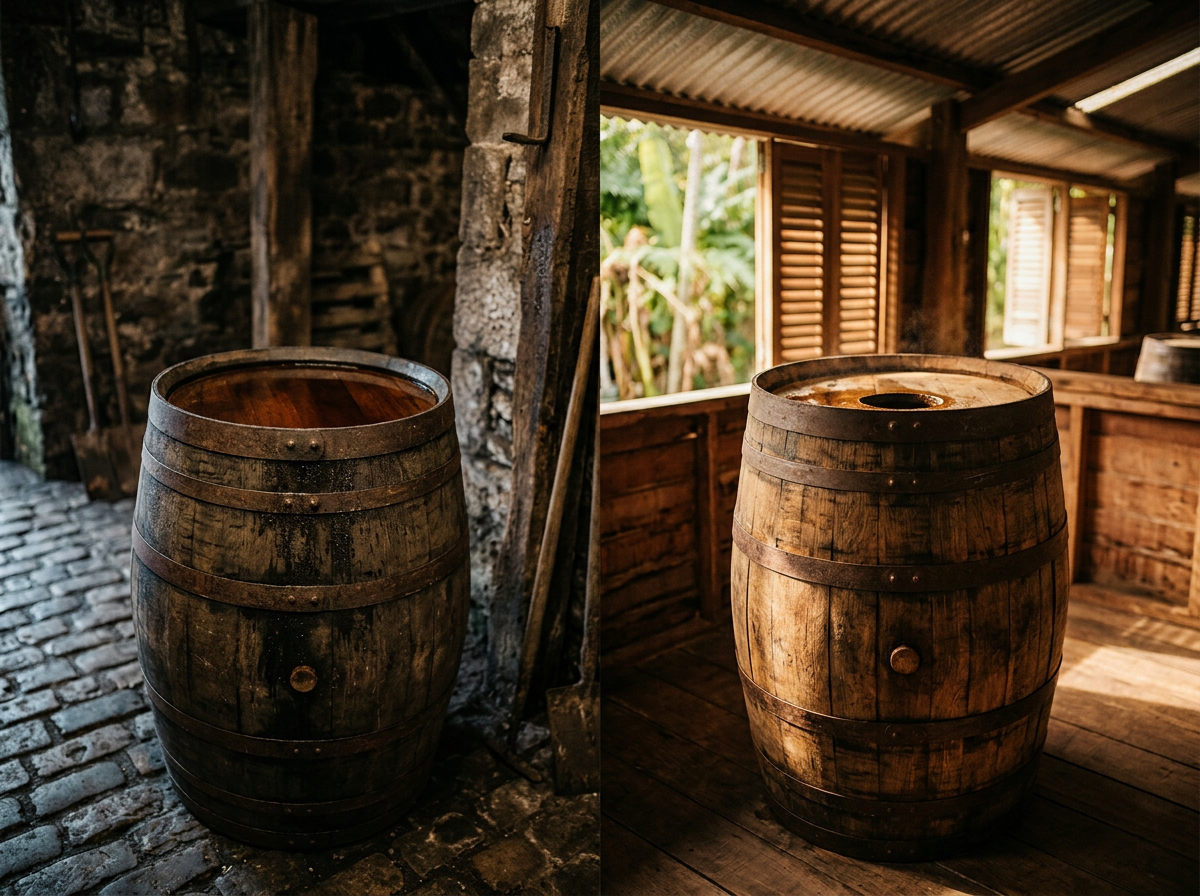
For decades, many in the industry dismissed the idea of Terroir in Whisky. The argument was simple: the heat of the still destroys any subtle nuances the soil might have imparted to the grain. But a new wave of distillers is proving that theory wrong, treating whisky production with the same geological reverence that a winemaker treats a Grand Cru vineyard. Leading this charge is Waterford Distillery in Ireland. By performing over 100 separate farm-gate distillations, they have demonstrably proven that the soil, the micro-climate, and the location where the barley is grown have a profound impact on the final flavor profile of the spirit.
This movement has also sparked a resurgence in heritage grains. Distillers are moving away from high-yield industrial hybrids and returning to seeds like "Bere" barley or "Hickory King" corn. These grains may be harder to grow and yield less spirit, but they offer a genetic diversity of flavor that was almost lost to history. It's about a return to "slow whisky," where the agricultural heritage is as important as the distillation itself. Beyond the grain, the role of microbiology in the mash tun is being re-examined. Rather than using standard commercial yeast, some innovators are utilizing wild yeast strains and extending fermentation times to 96 hours or more. This allows for the development of floral, ester-heavy profiles that bring a "farm-to-glass" transparency to every sip.
We are also seeing a shift in how this information is shared with the consumer. It’s no longer enough to just have a pretty label. Many modern bottles now feature QR codes that allow you to trace the exact field where your whisky’s grain was harvested. This "French School" of whisky, exemplified by producers like Domaine des Hautes Glaces, views the spirit as an agricultural product first and a luxury item second. When you drink a terroir-driven whisky, you aren't just tasting a brand; you are tasting a specific piece of land, a specific season, and a specific history. It’s a level of transparency that is redefining the New World Whisky category.
Innovative Grains and the Hybrid Revolution
While barley and corn will always be the heavyweights, the "Big Four" (Barley, Corn, Rye, Wheat) are finally getting some company. One of the most refreshing World Whisky Trends is the exploration of alternative grains. KOVAL Distillery in Chicago was a pioneer here, stepping outside the box to use millet and oat in their mash bills. If you’ve never tried a millet whisky, you’re missing out on a signature creaminess and a soft, almond-like finish that you simply won't find in a traditional Bourbon. It’s these kinds of experiments that are expanding the palate of the modern drinker.
The innovation isn't just happening in the US. We're seeing a "High Rye" Scotch movement and a "Malted Rye" surge globally. Distillers are borrowing mash bill philosophies from other cultures to create spicy, unconventional drams that defy regional expectations. Even Wheat Whisky is making a serious comeback. Often dismissed as a "filler" grain, wheat-heavy whiskies like Bernheim are gaining a cult following for their honeyed, gentle profiles. They serve as a perfect "bridge" for people who find the intensity of Rye or the smokiness of Islay a bit too daunting, yet they offer enough complexity to keep a seasoned enthusiast engaged.
Perhaps even more interesting is the move toward "smokiness without peat." While peat is the traditional way to get smoke into whisky, it has a very specific sea-salt and medicinal vibe. Now, craft distillers are looking to regional BBQ cultures for inspiration. Whiskey Del Bac in Arizona uses Mesquite wood to smoke their malt, resulting in a spirit that tastes like a desert campfire. Others are using Applewood or Cherrywood, creating smoke profiles that are sweet, fruity, and distinctly local. Finally, the "Blending of Worlds" trend is taking off, where "World Blends" marry Japanese, Scottish, and Canadian whiskies into a single bottle. These are no longer considered "bastardized" spirits; they are seen as the ultimate expression of the blender's art, crossing borders to create a flavor profile that no single country could produce alone.
Wood Alchemy: The New Age of Finishing
The concept of "finishing" a whisky—moving it to a second cask for a few months before bottling—is nothing new. However, we have moved far beyond the standard Sherry or Port finish. We are now in the age of "Wood Alchemy," where the secondary cask is often as exotic as the spirit itself. One of the most coveted (and expensive) woods in the world right now is Japanese Mizunara oak. These trees take 200 years to reach maturity and are notoriously difficult to work with because they are prone to leaking. But the reward is a flavor profile of sandalwood, incense, and coconut that is unlike anything else in the world.
Beyond rare woods, distillers are experimenting with aggressive and non-traditional barrel seasonings. We are seeing a rise in Tequila and Mezcal cask finishes, which introduce a vegetal, agave sweetness and a touch of "funk" to traditional malts. Caribbean Rum casks are being used to add layers of molasses and tropical spice, while the relationship between craft breweries and distilleries has birthed the "Beer Cask" finish. Using Stout casks can impart heavy notes of dark chocolate and roasted coffee, while IPA casks can bring out bright citrus and piney hop notes. It's a symbiotic relationship that benefits both industries and gives the consumer something genuinely new to explore.
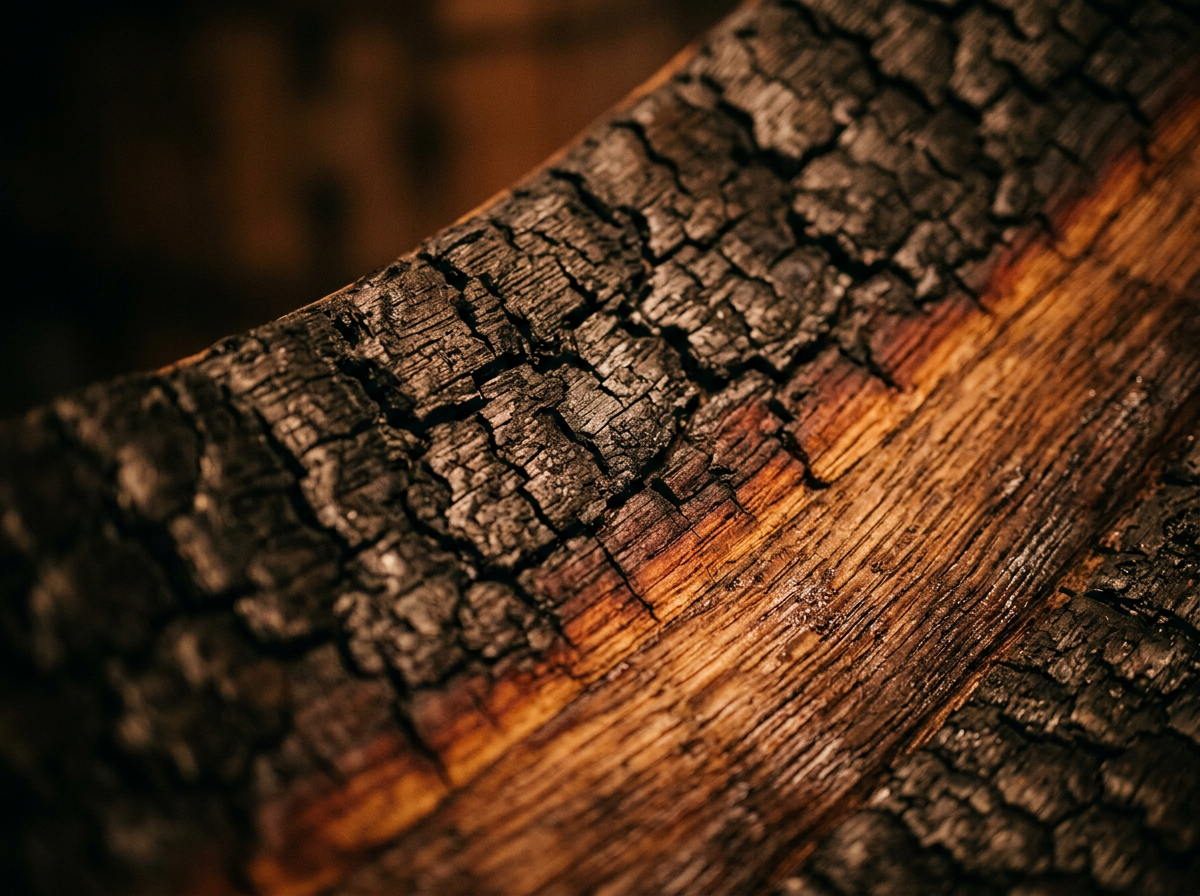
The science of the wood itself is also evolving. Modern coopers are now using infra-red technology to achieve specific chemical breakdowns in the wood's lignin, allowing for a level of precision in "toasting" and "charring" that was previously impossible. This means a distiller can request a specific flavor profile—say, more vanillin or more tannin—and the cooper can deliver it through technological precision. There is also a growing focus on sustainability. As the demand for rare timber increases, we are seeing a move toward local hardwoods like Amburana (Brazilian oak), which imparts a distinct cinnamon and tonka bean flavor. This shift isn't just about flavor; it’s about the ethical implications of sourcing and ensuring the Craft Spirits Future remains viable for generations to come.
Technological Disruptors and Molecular Whisky
Not every innovation in the whisky world involves a barrel and a barn. Some of the most controversial changes are happening in laboratories. The "Rapid Maturation" debate is currently dividing the community. Companies like Bespoken Spirits and Lost Spirits are using light, heat, and pressure to replicate the chemical changes that occur during 20 years of aging in just a matter of days. While purists argue that you can't "cheat" time, the chemical fingerprints of these spirits are remarkably close to their aged counterparts. Is it the same? Perhaps not. Is it a viable, more affordable alternative for the cocktail market? Increasingly, the answer is yes.
We're also seeing the role of Artificial Intelligence in the blending room. Sweden’s Mackmyra famously collaborated with Microsoft to create the world’s first AI-generated whisky recipe. By feeding the AI decades of consumer preference data, sales figures, and previous recipes, the machine suggested a blend that humans might never have considered. The result was a surprisingly balanced and popular dram. This isn't about replacing the Master Blender; it’s about giving them a new, data-driven tool to explore flavor combinations that our own biases might prevent us from trying.
Then there is the emergence of "molecular spirits." These are products that bypass fermentation and distillation entirely, using lab-grown molecules to replicate the chemical composition of rare, expensive whiskies. While these cannot legally be called "whisky" in most jurisdictions, they represent a fascinating technological frontier. Even in traditional distillation, vacuum stills are becoming more common. By lowering the boiling point of the spirit, distillers can preserve delicate botanical and grain flavors that are usually lost to the intense heat of a traditional pot still. This leads to a cleaner, more "high-definition" spirit. The ethical debate rages on: can a spirit be called whisky if it hasn't spent years in a barrel? As the technology improves, the regulatory pushback against these "techno-whiskies" will likely be one of the biggest stories of the next decade.
The Nordic and European Renaissance
While Asia and America get a lot of the headlines, Europe is quietly undergoing a whisky renaissance of its own. Sweden's Mackmyra was one of the first to prove that Northern Europe had something unique to say. By utilizing Swedish oak—which grows slower and imparts a much spicier, more intense flavor than its American or French counterparts—and smoking their malt with juniper twigs, they created a "forest-forward" profile that is quintessentially Nordic. This isn't Scotch-lite; it's a completely different dialect of whisky.
In the Alps, Austrian and Swiss distilleries are leaning into what I like to call the "Alpine Style." Utilizing pure glacial water and high-altitude maturation, these spirits are often characterized by a crisp, mineral-heavy texture. They are clean, precise, and feel as fresh as the mountain air. Meanwhile, in Denmark, Stauning is making waves by returning to traditional methods that many in Scotland have abandoned. They use local floor malting and direct-fire stills, which create a rustic, "old-world" texture and a hint of roasted character that you just can't get from modern, steam-heated equipment. It’s a beautiful marriage of traditional craftsmanship and modern design.
And let's not forget France. As the world's largest consumer of Scotch, it was only a matter of time before they started making their own at scale. France is now producing world-class whiskies, often utilizing their centuries of expertise in Cognac distillation. They bring a level of elegance and fruit-forward complexity to the category that is uniquely French. One of the most interesting factors in this region is the "Cold Maturation" cycle. The long, cold winters in Northern Europe lead to a very different interaction between the spirit and the wood than what you see in the tropics. It’s a slower process, but one that preserves the delicate esters of the grain while slowly layering on the wood influence. The European Renaissance is proof that the World Whisky Trends are not just about speed—they are about place.
Conclusion: Navigating the Future of Your Glass
So, where does this leave us, the drinkers and collectors? The main takeaway is that the "flavor over geography" shift is here to stay. Your next favorite bottle likely won't come from a region you can find on a 19th-century map of the "Whisky Regions." It might come from a garage in Seattle, a high-tech lab in Sweden, or a sun-drenched warehouse in Taiwan. The New World Whisky movement has democratized flavor, and the biggest winner is the consumer who is willing to be adventurous.
For the modern collector, my best advice is to stop looking purely at age statements. In this new landscape, a "No Age Statement" (NAS) bottle isn't a sign of a distillery hiding something; it's often a sign of a distiller who is prioritizing a specific flavor profile over a number. Look for transparency instead. Seek out brands that tell you about their grain sourcing, their fermentation times, and their barrel types. Supporting Independent Bottlers is also a great way to stay ahead of the curve. These "gatekeepers" are often the ones finding the most experimental, small-batch world whiskies and bringing them to a wider audience.
As we look forward, the "Third Wave" of whisky will likely be defined by three things: sustainability, carbon-neutral distilling, and the total breakdown of regional style barriers. The walls are falling, and the map is being redrawn. I encourage you to step outside your comfort zone this weekend. Find a local shop or use the DramNote app to track down a flight of three different "New World" whiskies—perhaps an American Single Malt, a Taiwanese malt, and a Swedish rye. Taste them side-by-side, ignore the labels, and let your palate tell you the story of the next wave. The future of whisky is in your glass, and it has never tasted more exciting.